Commercial Services
We support a wide range of projects, including:
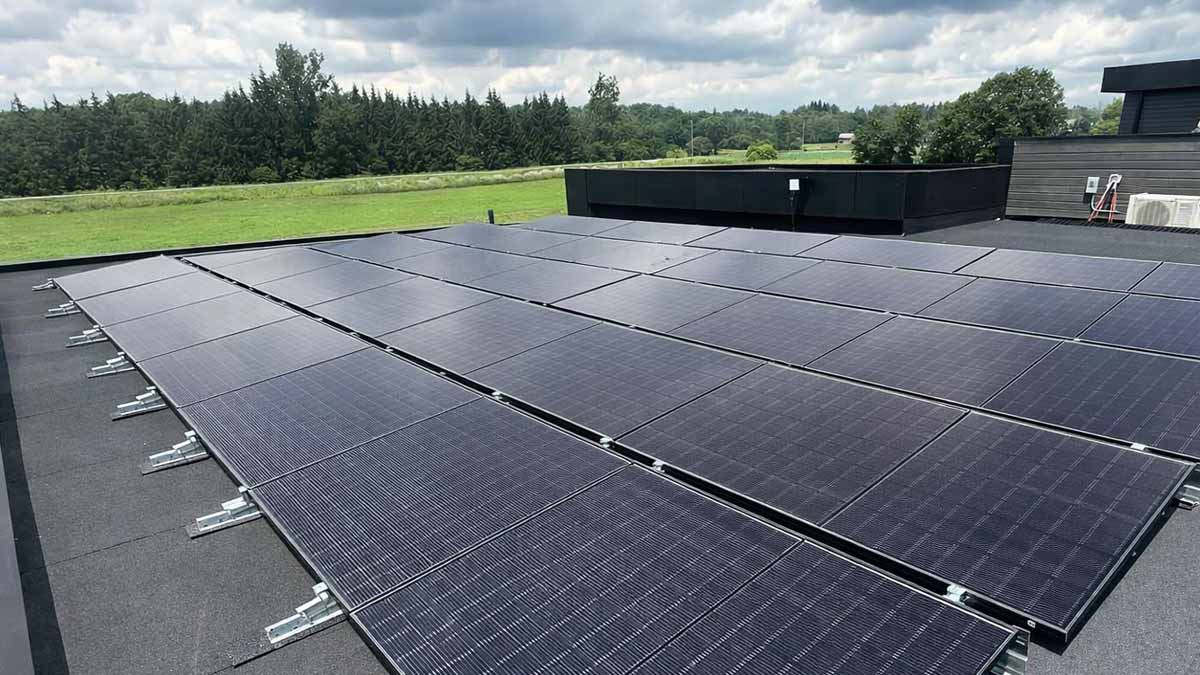
Warehouses &
Industrial Facilities
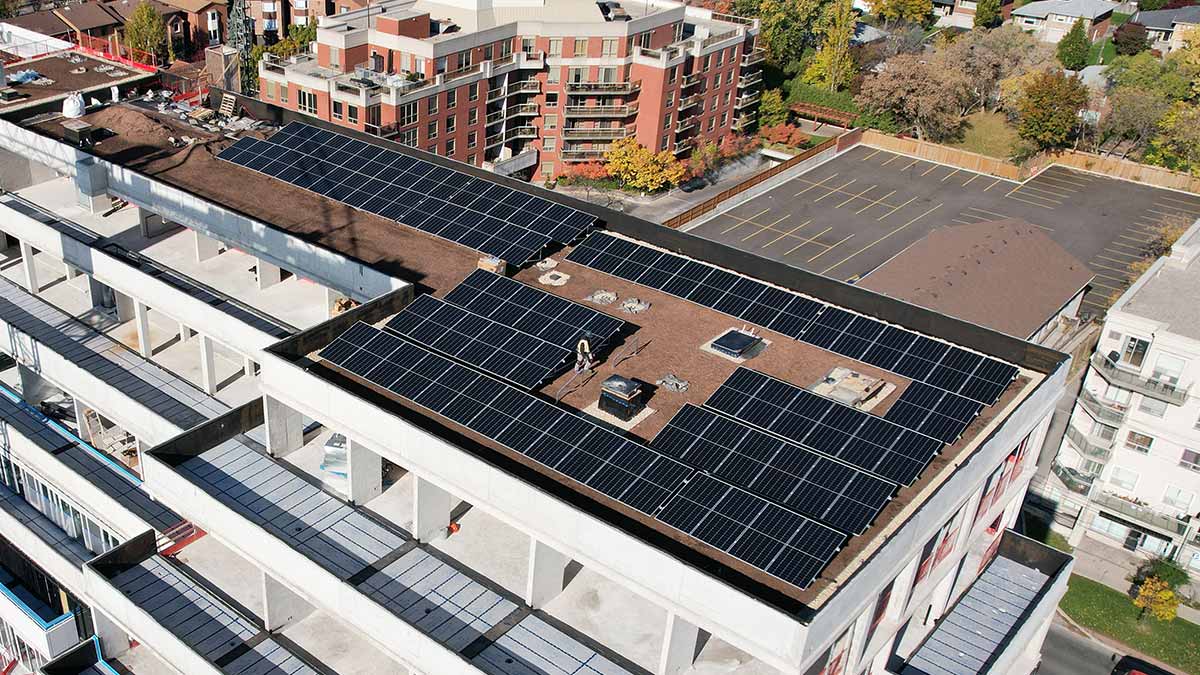
Multi-Residential
& Condos

Agricultural &
Farm Operations
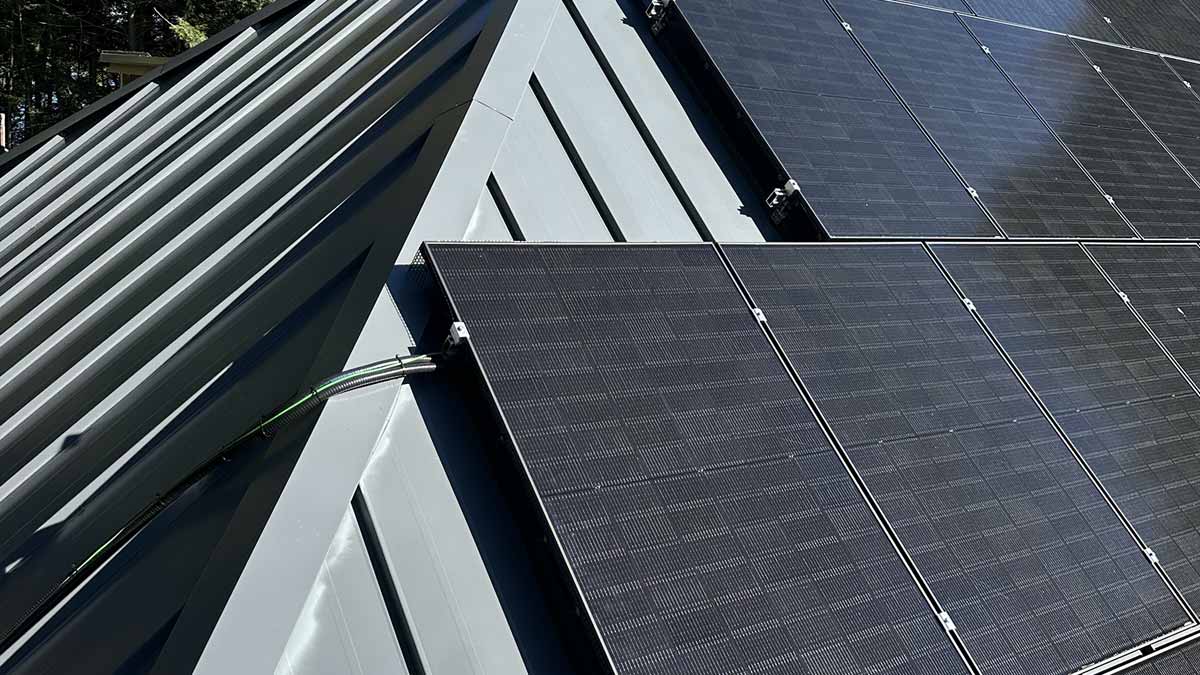
Commercial Buildings
& Offices
What We Handle
- Site Feasibility & System Design
- ROI Modelling & Energy Forecasting
- Utility & Permit Coordination
- Project Management and Scheduling
- Coordination of Licensed Professionals
- System Activation & Monitoring
Frequently Asked Questions
Have questions about going solar with Clean Electric? You’re not alone. Below are answers to some of the most common questions we receive about our process, project coordination, and how we deliver turnkey solar solutions across Ontario.
We believe in being clear, transparent, and compliant every step of the way, so you can feel confident from the first conversation to a fully operational system.
The amount a commercial solar system can reduce electricity costs depends on several factors, including the building’s electricity consumption profile, available roof space, and the structure of the facility’s electricity charges. The first step in any commercial solar project is typically a detailed energy assessment, where the building’s historical electricity usage is analyzed to determine how and when energy is being consumed. This allows the solar photovoltaic (PV) system to be designed to offset a meaningful portion of the facility’s daytime electricity demand.
For many large commercial and industrial electricity consumers in Ontario, a significant portion of the electricity bill comes from the Global Adjustment (GA) charge. While solar panels primarily reduce the electricity drawn from the grid during daylight hours, they can also help reduce exposure to these charges by lowering peak demand during certain periods of the day.
In some cases, commercial solar systems can also be combined with battery energy storage systems (BESS) to further optimize energy usage. Batteries can store excess solar energy generated during the day and discharge it later to help manage building loads, reduce peak demand, and provide backup power if required. When properly designed, a solar and battery system can significantly improve energy cost management and long-term return on investment for commercial facilities.
Because every facility has a different load profile and billing structure, the potential savings from commercial solar are best determined through a site-specific energy analysis and financial model, which evaluates how solar production aligns with the building’s electricity demand throughout the year.
The return on investment for a commercial solar photovoltaic (PV) system in Ontario depends on several factors, including the facility’s electricity consumption, the structure of its electricity bill, and how well the solar system aligns with the building’s daytime energy demand. For many commercial and industrial facilities, a large portion of electricity costs comes from the Global Adjustment (GA) charge, which can represent a significant percentage of the total electricity bill. By generating electricity on-site during daytime operating hours, a commercial solar system can reduce the amount of power a facility needs to draw from the grid, helping lower both electricity costs and exposure to Global Adjustment charges.
Facilities with consistent daytime operations—such as warehouses, manufacturing facilities, and large commercial buildings—are often well suited for solar because their energy consumption closely matches when solar panels produce electricity. In some cases, commercial solar systems can also be paired with battery energy storage systems (BESS). Batteries can store excess solar energy generated during the day and discharge it during evening hours or periods of higher demand. This can be particularly useful for facilities that operate 24 hours a day, helping balance the electricity produced by the solar system with the building’s overall energy consumption.
When designed correctly and combined with available incentives and tax advantages, commercial solar installations in Ontario often achieve typical return on investment periods in the range of approximately three to seven years. After the system has paid for itself, the solar installation continues generating electricity for decades, helping reduce operating costs and providing long-term energy price stability for the facility.
The size of a commercial solar photovoltaic (PV) system depends primarily on three factors: available roof space, the structural capacity of the building, and the facility’s electrical infrastructure. Before designing a system, solar developers typically perform a feasibility assessment that reviews the building’s roof layout, shading, orientation, and historical electricity consumption. This helps determine how much solar capacity the building can physically accommodate and how much of the facility’s electricity demand the system could offset.
An important step in this process is a structural engineering review of the roof. Solar panel systems add relatively modest weight to a building—typically around 3–6 pounds per square foot for a ballasted flat-roof system and often less for attached systems on pitched roofs. A structural engineer will evaluate the roof framing, deck, and load capacity to confirm that it can support the solar array along with wind and snow loads required under current building codes.
Many commercial and industrial buildings constructed in the past several decades were designed to meet standardized structural loading requirements under the Ontario Building Code, which includes significant allowances for snow and roof loads. Because solar arrays generally add a relatively small additional load compared with the snow loads that roofs are already designed to handle, a large number of commercial roofs can accommodate solar installations. However, each building must still be evaluated individually to confirm structural capacity.
In addition to the structural review, engineers will also examine the building’s electrical service capacity and utility interconnection requirements to determine how much solar generation can be connected to the facility’s electrical system.
By combining these structural and electrical assessments with a detailed analysis of the building’s energy consumption, Clean Electric can determine the optimal size of a commercial solar system and identify any engineering considerations required to safely and efficiently install the solar array.
In the vast majority of cases, yes — but the answer ultimately depends on the roof structure, roof condition, and the type of solar mounting system being proposed.
Under the Ontario Building Code, rooftop solar installations typically require a structural review as part of the building permit process. A licensed Professional Engineer must evaluate the roof structure and provide stamped drawings confirming that the building can safely support the solar array and associated loads. This review ensures the roof framing, deck, and attachment points can accommodate the additional weight of the solar panels as well as wind and snow loads required by code.
In practice, the weight added by a solar photovoltaic (PV) system is relatively modest compared with the snow loads that most commercial roofs are already designed to withstand. As a result, many commercial and industrial buildings can support rooftop solar installations, provided the roof is in good condition and the system is properly engineered.
As part of the feasibility process, Clean Electric coordinates the required engineering assessments and structural review to confirm that the building can safely support the proposed solar system.
Ontario’s net metering program allows commercial and industrial facilities with solar photovoltaic (PV) systems to generate electricity on-site and use that power to offset their building’s electricity consumption. When a solar system produces electricity during the day, that energy is first used directly by the building. If the solar system produces more electricity than the facility is using at that moment, the excess energy is exported to the electrical grid.
Under Ontario’s net metering rules, the utility provides the facility with energy credits measured in kilowatt-hours (kWh) for the electricity sent to the grid. These credits can then be used later when the building draws electricity from the grid, such as in the evening, overnight, or during periods when the solar system is producing less power.
For commercial buildings with significant daytime energy consumption—such as office buildings, warehouses, manufacturing facilities, and large commercial properties—solar systems can often offset a meaningful portion of the electricity purchased from the grid. In many cases, the solar system is designed to align with the facility’s daytime energy demand so that most of the electricity generated is used directly by the building.
Energy credits generated through net metering can typically be carried forward for up to 12 months, allowing facilities to balance seasonal differences between solar production and electricity consumption. This means excess electricity produced during sunnier months can offset electricity usage later in the year.
Commercial solar projects in Canada can benefit from several federal incentives that significantly improve the financial return on investment. One of the most important programs is the Clean Technology Investment Tax Credit (ITC), introduced by the Government of Canada. This program allows eligible businesses to claim a refundable tax credit of up to 30% of the capital cost of qualifying clean energy equipment, including solar photovoltaic (PV) systems and battery energy storage systems.
In addition to the investment tax credit, businesses may also benefit from accelerated depreciation through Capital Cost Allowance (CCA) rules administered by the Canada Revenue Agency. Clean energy equipment such as solar panels and related electrical infrastructure can often qualify for enhanced depreciation under classes designed for renewable energy systems, allowing businesses to deduct a significant portion of the project cost from taxable income in the early years of the investment.
Together, these incentives can substantially reduce the effective cost of installing a commercial solar system and shorten the payback period for the project. When combined with long-term electricity savings and net metering benefits, commercial solar installations can often achieve strong financial returns while helping facilities reduce their carbon footprint.
Because tax incentives and eligibility requirements can change over time, Clean Electric works with building owners, property managers, and their accounting teams to ensure that all applicable federal incentives and tax advantages are identified and incorporated into the project’s financial analysis.
In most cases, installing a commercial solar photovoltaic (PV) system has minimal impact on building operations or tenants. The majority of the installation work takes place on the roof of the building, which means the construction activity is largely isolated from the interior spaces used by tenants, employees, or facility operations.
The installation process typically involves mounting the solar racking system, installing the panels, and connecting the system to the building’s electrical infrastructure. Any electrical work inside the building—such as connecting the solar system to the main electrical service or distribution equipment—is usually scheduled and coordinated with the building management team to avoid disruptions to tenants or normal operations.
For most commercial buildings, the installation process can be completed without interrupting daily business activities. In situations where brief electrical shutdowns may be required to complete final connections, these are typically planned in advance and scheduled during off-hours whenever possible.
Once installed, solar PV systems operate quietly and automatically with no moving parts, meaning they do not interfere with tenant spaces or building operations. For property managers and building owners, the system simply produces electricity in the background while helping reduce the facility’s overall electricity costs.
The timeline for a commercial solar photovoltaic (PV) project depends on the size of the system, the complexity of the building, and the permitting and utility approval process. In most cases, the overall process—from initial feasibility assessment to final system commissioning—typically takes several months, although the actual on-site construction period is often much shorter.
The first stage involves a feasibility study and system design, where the building’s electricity consumption, roof layout, structural capacity, and electrical infrastructure are evaluated. During this phase, engineers and designers develop the proposed solar system layout, perform structural and electrical reviews, and prepare the drawings required for permitting and utility interconnection.
Once the design is complete, the project moves into permitting and utility approvals, which may include building permits, engineering approvals, and coordination with the local utility for grid interconnection under Ontario’s net metering program. The length of this stage can vary depending on the municipality and utility review timelines.
The physical installation of the solar system is typically one of the fastest parts of the project. For many commercial buildings, installation can be completed in a matter of days or weeks by licenced electricians, depending on the system size and roof conditions. After installation, the system goes through final inspections, utility approvals, and commissioning before it begins generating electricity.
Overall, while the full project timeline may span several months due to design and approval processes, the actual construction impact on the building is relatively short, and most of the work occurs on the roof with minimal disruption to building operations.
Commercial solar photovoltaic (PV) systems are designed to be highly reliable and low maintenance. Solar panels have no moving parts and typically require very little routine servicing. In most cases, natural rainfall helps keep the panels clean by washing away dust and debris, allowing the system to continue operating efficiently.
That said, periodic inspections are considered good practice to ensure the system continues operating at peak performance. Maintenance activities may include visual inspections of the panels, mounting systems, and electrical wiring, confirming that there is no debris accumulation or physical damage, and verifying that inverters and monitoring systems are operating normally.
Commercial solar systems also typically include performance monitoring software, which allows building operators to track energy production in real time. Monitoring can help quickly identify any unexpected drops in production that may indicate an issue requiring attention.
To support long-term performance, Clean Electric offers optional periodic maintenance inspections where technicians review the condition of the solar panels, mounting hardware, and electrical components. These inspections can identify any potential wear, loose connections, or preventative maintenance needs, helping ensure the solar system continues to operate safely and efficiently for decades.
Yes. Commercial solar photovoltaic (PV) systems can be combined with battery energy storage systems (BESS) to help facilities better manage electricity costs and improve energy resilience.
For large commercial and industrial facilities in Ontario, a significant portion of electricity costs can come from the Global Adjustment (GA) charge. These charges are influenced by a facility’s electricity demand during certain provincial peak periods. Solar panels can help reduce a facility’s reliance on grid electricity during daytime hours, and when combined with battery storage, the system can be strategically used to further manage electricity demand.
A battery energy storage system can store excess solar energy produced during the day and discharge it at specific times when the facility’s electricity demand is highest. By reducing the amount of electricity drawn from the grid during these periods, the system can help lower peak demand and potentially reduce exposure to Global Adjustment charges.
Battery storage can also provide backup power during outages, help facilities balance energy usage across a 24-hour operating cycle, and increase overall energy resilience. For manufacturing, processing, and other energy-intensive facilities, combining solar generation with battery storage can provide an additional tool for managing electricity costs and improving long-term energy stability.
The Global Adjustment (GA) is a component of electricity pricing in Ontario that helps cover the cost of maintaining the province’s electricity system. It includes payments for electricity generation contracts, conservation programs, and grid reliability initiatives managed by the Independent Electricity System Operator.
For many commercial and industrial electricity consumers, the Global Adjustment can represent a significant portion of the total electricity bill, sometimes accounting for a large percentage of overall electricity costs. The exact amount a facility pays depends on the size of its electricity consumption and, for larger electricity users, how their electricity demand compares to provincial peak demand periods.
In simple terms, the Global Adjustment charge is higher for facilities that use large amounts of electricity, especially during times when the overall demand on the provincial grid is high. Because the electricity system must maintain enough generation capacity to meet peak demand across Ontario, large electricity consumers contribute a greater share toward maintaining that capacity. As a result, facilities with higher electricity usage typically see a larger portion of their electricity bill attributed to Global Adjustment charges.
For many large commercial and industrial electricity users in Ontario, a significant portion of their electricity costs comes from the Global Adjustment (GA) charge. These charges are influenced by how much electricity a facility draws from the grid, particularly during periods when overall demand across the province is high.
A commercial solar photovoltaic (PV) system generates electricity on-site during daylight hours, which allows the facility to reduce the amount of electricity it needs to purchase from the grid. By lowering the building’s grid demand during these periods, solar generation can reduce the portion of electricity consumption that contributes to Global Adjustment costs.
For facilities that operate during daytime hours—such as manufacturing plants, warehouses, processing facilities, and large commercial buildings—solar production aligns well with the building’s electricity demand. This means the electricity generated by the solar system can be used directly by the facility, reducing grid consumption and lowering exposure to Global Adjustment charges.
In some cases, solar systems can also be paired with battery energy storage systems to further optimize demand management. Batteries can store excess solar energy and discharge it during periods of higher electricity demand, helping facilities strategically reduce the amount of electricity drawn from the grid.
Because Global Adjustment charges can represent a substantial portion of electricity costs for large consumers, reducing grid demand through on-site solar generation and energy management strategies can be an effective way for facilities to improve long-term energy cost control.
Battery storage gives commercial facilities the ability to control when electricity is used, not just how much is consumed. In Ontario, a large portion of electricity costs, particularly for bigger users, comes from peak demand and Global Adjustment charges. Batteries can be programmed to discharge during these high-demand periods, reducing how much power your facility draws from the grid at the most expensive times. This strategy, often referred to as load displacement, can significantly lower overall electricity costs.
When paired with a solar photovoltaic (PV) system, battery storage becomes even more effective. Solar systems often generate excess energy during the day, especially when building demand is lower. Instead of exporting all of that energy back to the grid, a battery can store it and discharge it later in the evening or during peak periods. This increases self-consumption and ensures that more of the energy your system produces is used directly within your facility, where it delivers the greatest financial benefit.
Beyond cost savings, battery systems also help smooth out spikes in electricity demand, reducing demand charges and improving overall energy stability within the building. They can also provide backup power for critical operations during outages. Altogether, combining solar with battery storage allows commercial facilities to reduce reliance on the grid, improve energy predictability, and take a more active role in managing their electricity costs.
In large commercial facilities, electricity costs are not just based on total energy consumption, they are heavily influenced by peak demand and Global Adjustment charges. Net metering works by sending excess solar energy back to the grid for credits, which are later used to offset electricity consumption. While this is effective for reducing overall energy usage, it does not directly address peak demand or the timing of energy consumption.
Load displacement, on the other hand, is designed specifically for high-consumption facilities. Instead of exporting energy, the solar system is sized and configured to supply power directly to the building during operating hours—when electricity demand and costs are highest. This reduces the facility’s draw from the grid in real time, which can significantly lower both demand charges and Global Adjustment costs.
When combined with battery storage, load displacement becomes even more powerful. Excess solar energy generated during the day can be stored and then discharged during peak periods or overnight operations. This allows facilities to actively manage their load profile, flatten demand spikes, and optimize energy usage around utility billing structures.
In simple terms, net metering helps reduce your total electricity bill, while load displacement and battery optimization help reduce your most expensive electricity. For large commercial users in Ontario, this often results in a stronger return on investment and more predictable long-term energy savings.
Net metering works by balancing the total amount of electricity your facility consumes with the amount your solar photovoltaic (PV) system produces over time. If your system generates as much energy as you use annually, your kWh (energy) charges can be significantly reduced or even eliminated. However, large commercial electricity bills in Ontario are not based on energy alone.
Facilities are also charged based on peak demand (kW)—the highest amount of power your building draws from the grid at any given moment. Even if your solar system produces enough energy over the course of the year, your facility may still rely on the grid during short periods of high demand. That single peak can drive significant demand charges that net metering credits do not offset.
In addition, large electricity users in Ontario are subject to Global Adjustment (GA) charges, which for Class A customers are based on your facility’s contribution to the province’s top five peak demand hours (known as 5CP). If your building is drawing power during those critical peak periods—even if you export solar energy at other times—you will still incur substantial GA costs.
This is why strategies like load displacement and battery storage are critical for large commercial facilities. Instead of simply exporting energy, these systems allow you to reduce or eliminate your grid usage during peak periods, directly lowering demand charges and Global Adjustment costs. In simple terms, net metering reduces your total energy bill—but managing peak demand is what unlocks the biggest savings.
Incentives & ROI
Commercial solar is driven by incentives, tax credits, and long-term returns. We guide you through available programs and show you how solar can impact your bottom line.

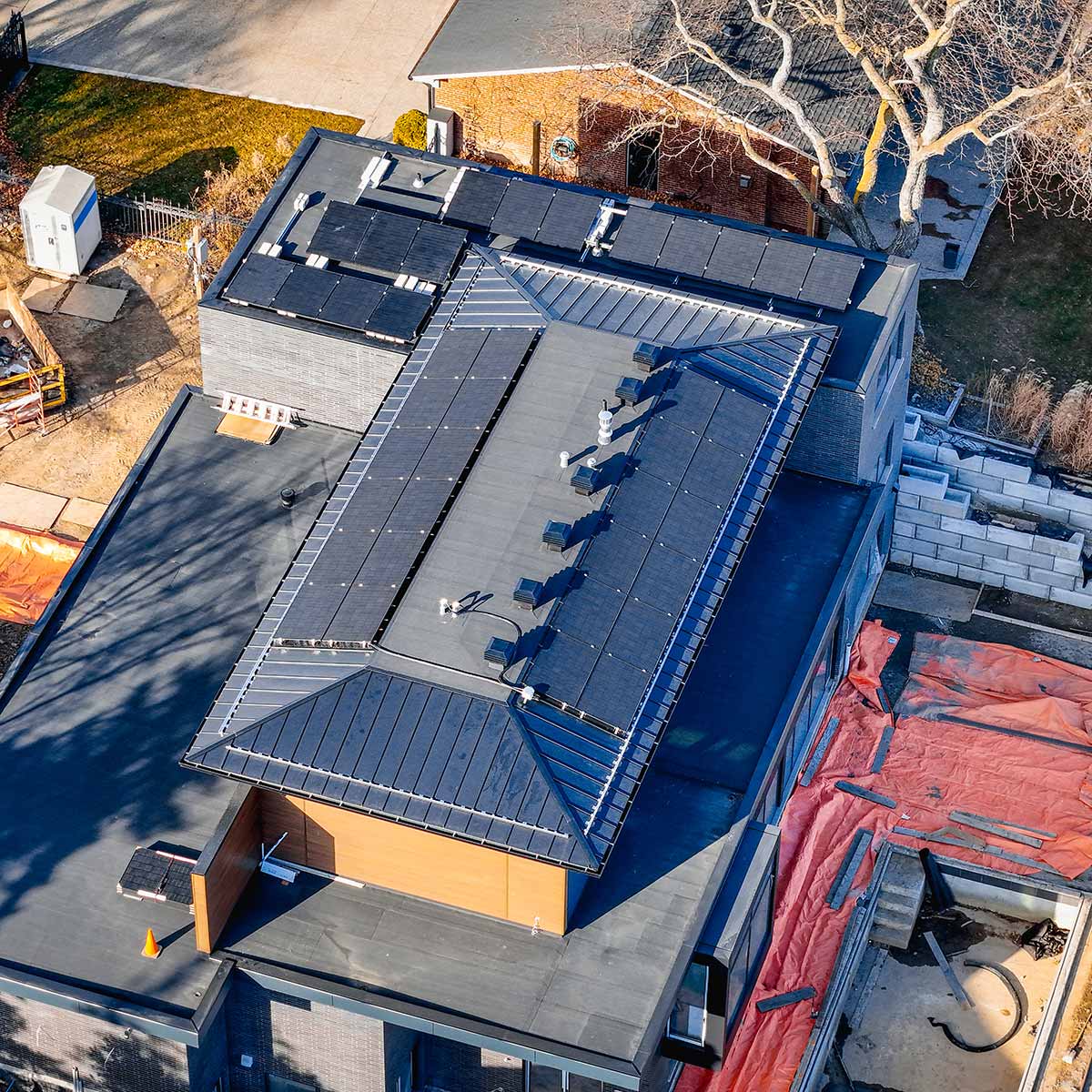
Why Go Solar?
- Lower monthly hydro bills
- Protect against rising energy costs
- Increase home value
- Reduce your environmental footprint
- Long-term energy independence
Ready to
explore solar?
Tell us about your project and we’ll take it from there.